
What is a browser-based AI operating system for manufacturers?
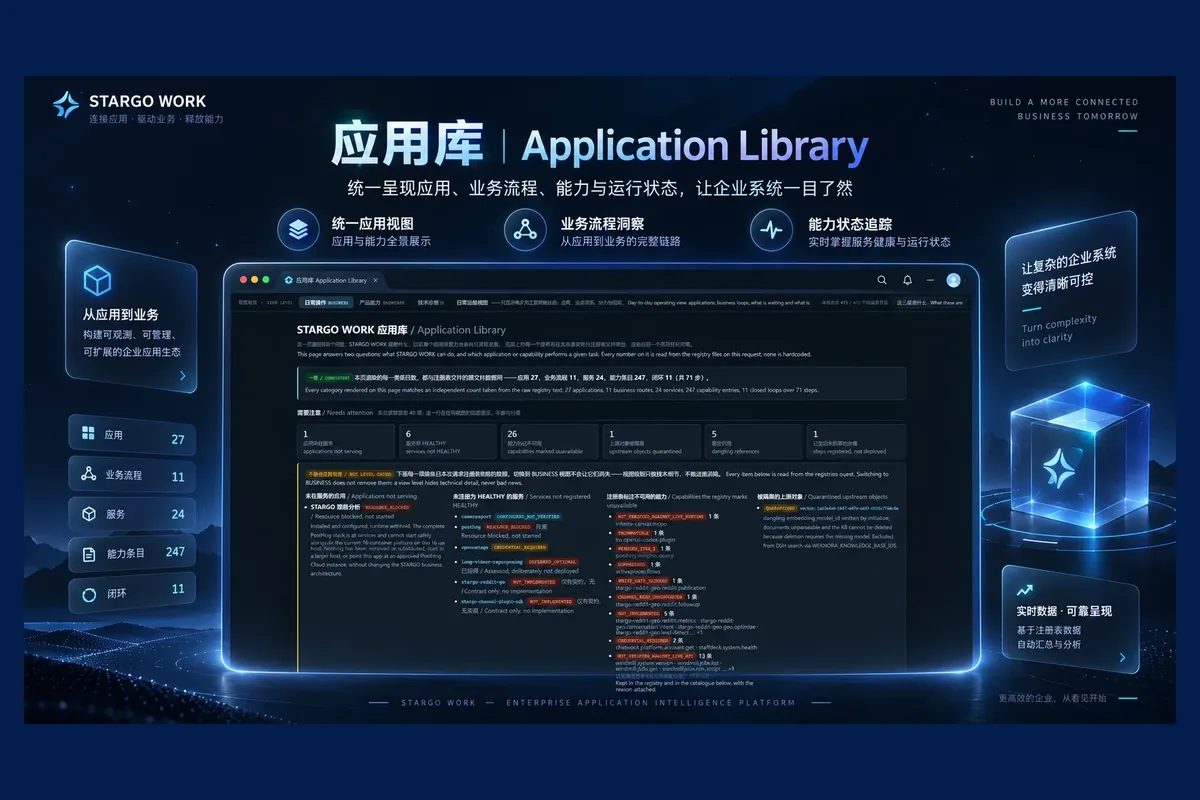
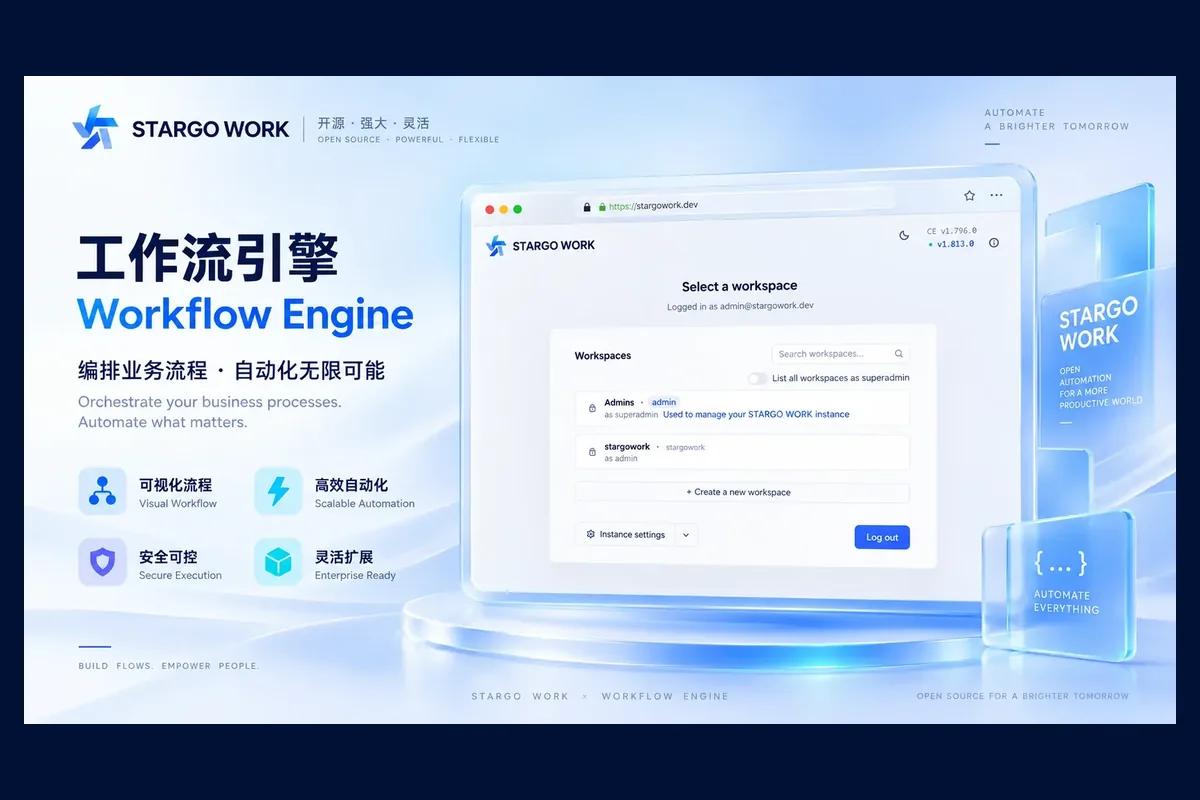
A browser-based desktop AI operating system is a company workspace you open in a browser: business applications, files, customers, knowledge and AI employees sit together and work on the same business process. STARGO WORK is built for manufacturers and exporters, with Growth OS for proactive acquisition and Sales Desk for trade sales as its two core engines.
Why is it not just one more tool?
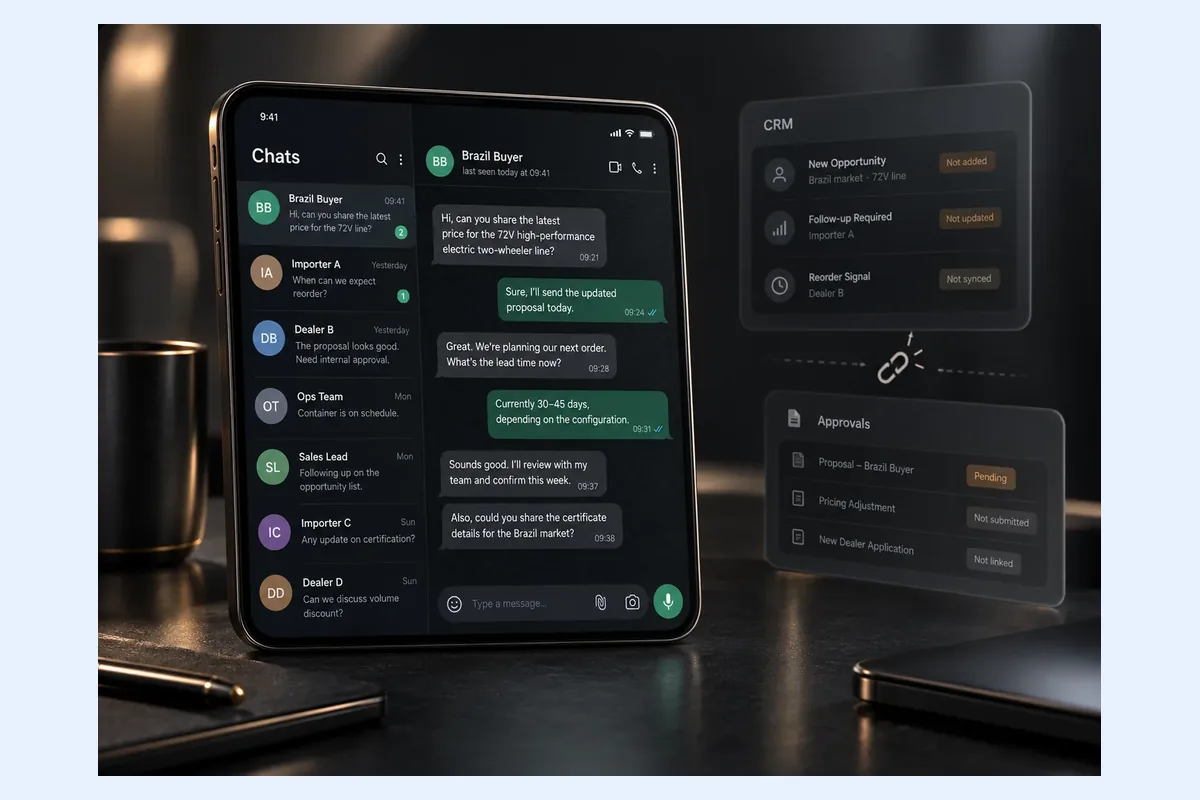
Manufacturers and exporters do not lack software. Email receives the inquiry, a chat app holds the conversation, a spreadsheet keeps the quote and the ERP tracks the order. What is missing is the layer that connects the work — one that knows how customers, inquiries, quotes, orders and tasks relate, and moves work forward on top of those relationships.
The goal is fewer disconnected handoffs, not another tool: less copying and re-explaining, more evidence-backed progress, clear ownership and results you can check.
How is it different from a standalone AI chat?
- It works with company context. Product facts, customer history, pricing policy and business rules are shared ground, so nobody has to explain them from scratch each time.
- It is tied to business records and owners. Work lands on customer records, quotes, orders and tasks, each with a clear owner and next step.
- Results are checked. Authorized people approve consequential actions, and a text answer is never treated as finished work.
What do the two core engines do?
Growth OS answers where to find customers, who is worth pursuing and how to reach them next. It looks for dealers, importers, wholesalers and target accounts around your products, markets and buyer types, and turns research, contacts, buying signals and priorities into a plan. Approved prospects move into Sales Desk with their context and next actions.
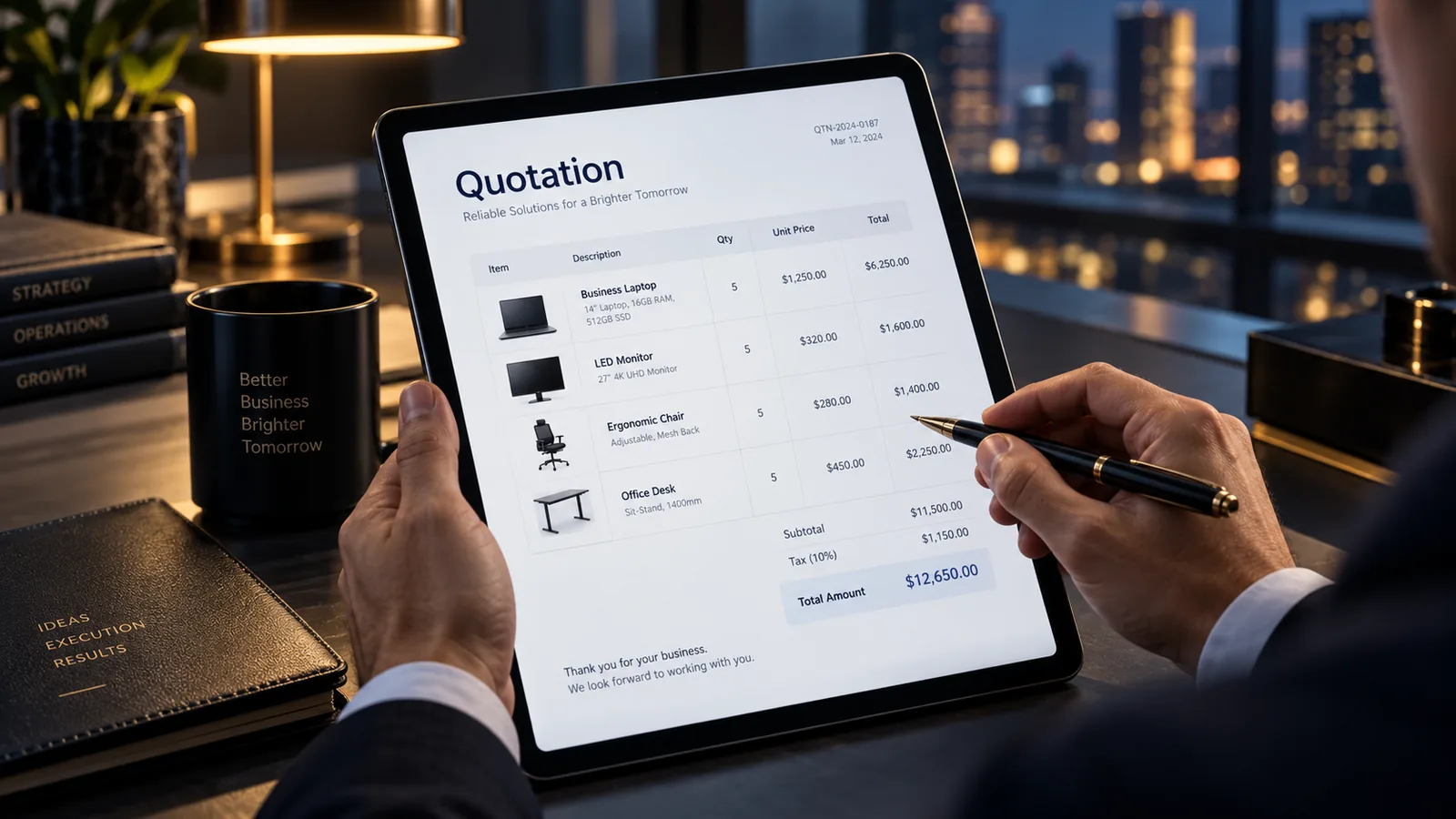
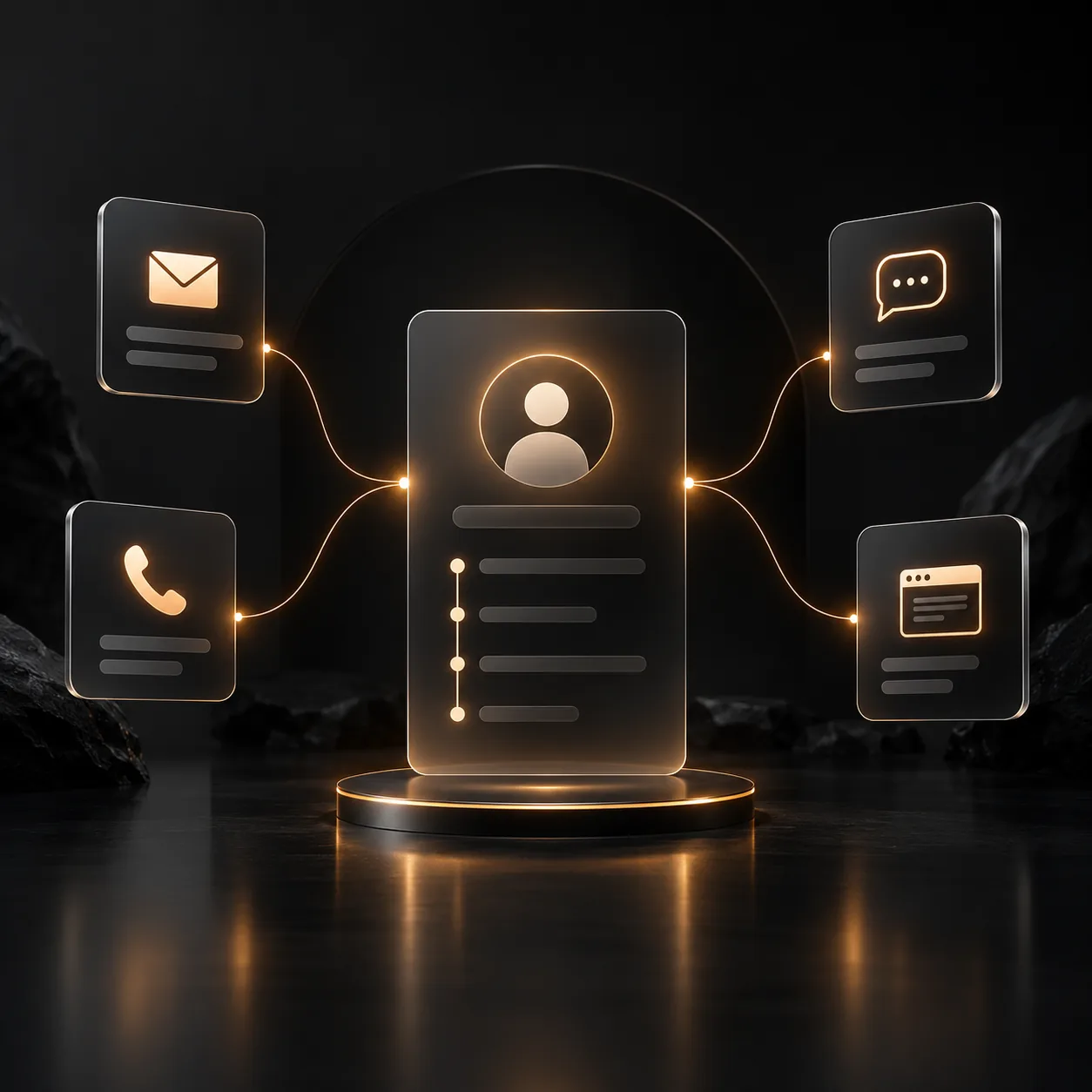
Sales Desk answers how to understand a customer, keep following up, quote and hand over the order. It brings inquiries and messages into one intake and puts customer records, conversations, product fit, reply drafts, follow-ups, quotes and PIs on one sales chain.
How do the other capabilities support the two engines?
- ERP and fulfillment: products, materials, purchasing, stock, production, quality, orders, invoices and commerce, followed by logistics, finance, documents and support.
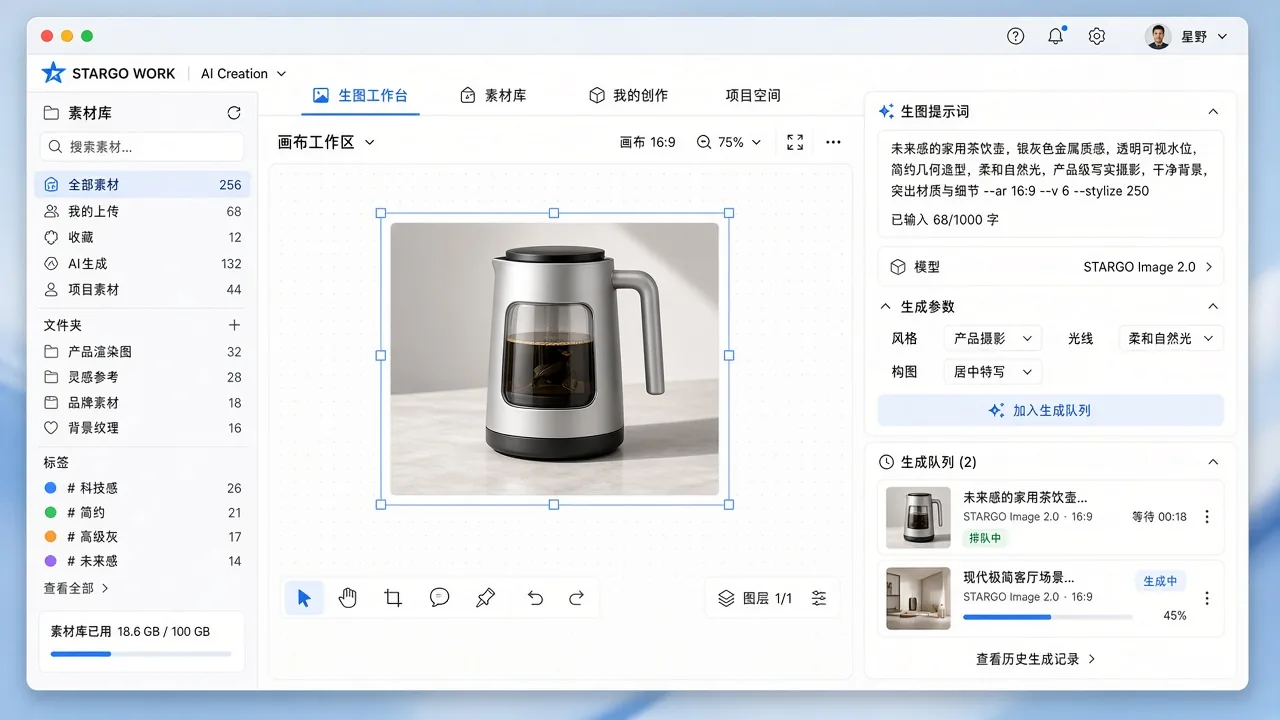
- AI creative work: product images, detail pages, catalogs and multilingual content, plus one-click video and viral creative adaptation.
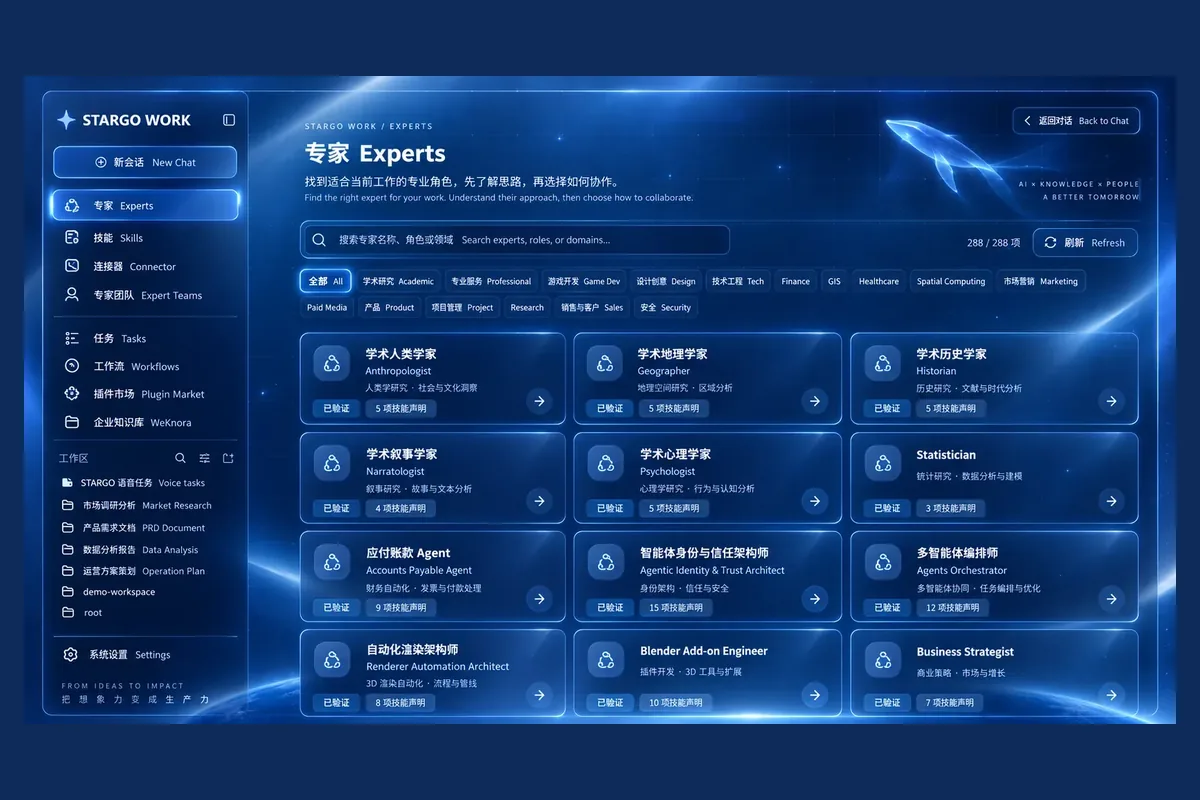
- 288 AI employees: specialized roles across ten enterprise functions that can team up by task.
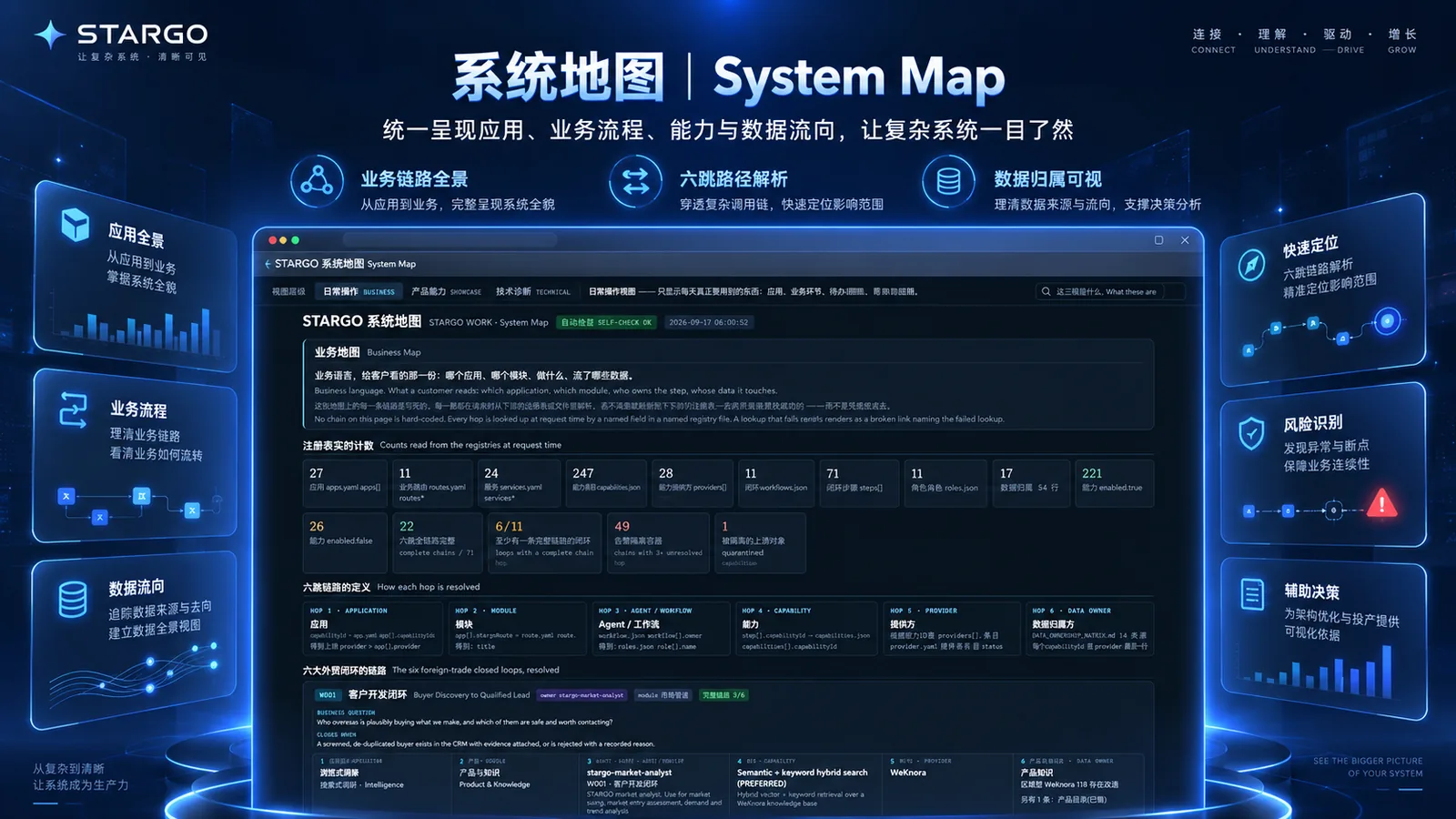
- Enterprise knowledge and the business relationship map: what the company knows, how things connect and who is responsible.
- Owner visibility and control: priorities, exceptions and approvals, with costs and results you can check.
What does the complete business loop look like?
- 01Proactive acquisitionGrowth OSFind and qualify
- 02Trade salesSales DeskEngage and quote
- 03FulfillmentERP and deliverySource and deliver
- 04Business coordinationFinance and serviceCollect and support
- 05Repeat growthRetention and growthRetain and improve
Customer context and outcomes feed the next growth cycle.
Proactive acquisition finds and qualifies customers. Trade sales handles conversations, quotes and PIs. Fulfillment connects purchasing, production and stock. Business coordination follows payments, support and channels. Repeat growth watches reorders, reactivation and reviews. Customer context and outcomes then feed the next cycle.
How much of it can you use today?
Capabilities open according to configuration and the agreed delivery scope, and the conditions differ:
- Available now: AI teamwork, one-click video and viral creative adaptation, within the services, credits and access a company enables. Collaboration rounds and budgets are capped, finished videos are reviewed by people before publishing, and external actions need an authorized approval.
- Growth OS: core workflows are being built out; live data and outreach are connected by authorization.
- Sales Desk: the workspace exists; live channel messaging and business handoffs are connected and validated one by one, and live prices, contracts, signatures and documents depend on connected enterprise systems.
- ERP and fulfillment: ERP and commerce foundations exist; cross-system work and AI actions are configured and accepted per company, and logistics, finance and service arrive in stages through connected systems.
- Creative work, knowledge and control: the creative workspace is present, with one-click marketing-kit production and local checks being integrated; knowledge and relationship-map foundations exist, with richer relationships arriving in stages; dashboard metrics come only from connected data.
- Devices: the browser desktop comes first; voice, automation and external actions follow by enabled scope, and native clients, mobile and mini-programs are phased.
Read the principles on Enterprise Intelligence, every business area on Capabilities and the role directory on AI Workforce.
Want to see it run on your own business? Request a demo.
Frequently asked questions
What is STARGO WORK?
It is a browser-based desktop AI operating system for manufacturing and global trade enterprises. Growth OS and Sales Desk lead the business journey, supported by operations, creative work, enterprise knowledge and AI roles, with people retaining approval and decision authority.
How is this different from using a standalone AI chat?
The focus is not the chat format. It is whether the work connects enterprise information, customer history, business applications, ownership, approvals and results. STARGO WORK organizes those elements around a business workflow rather than equating a text answer with completed work.
Is it only for the export department?
No. Acquisition and trade sales are the starting point, while the scope also covers operations, commerce, purchasing, stock, production, quality, finance coordination, creative work, knowledge, office tasks and management. Executable work depends on configuration and connected systems.
Do we need to install a client?
The current focus is the browser-based desktop. Native desktop clients, mobile and mini-programs are phased roadmap items, and the actual scope follows what each company agrees.