
Sales Desk: from inquiry to an approved quote and PI
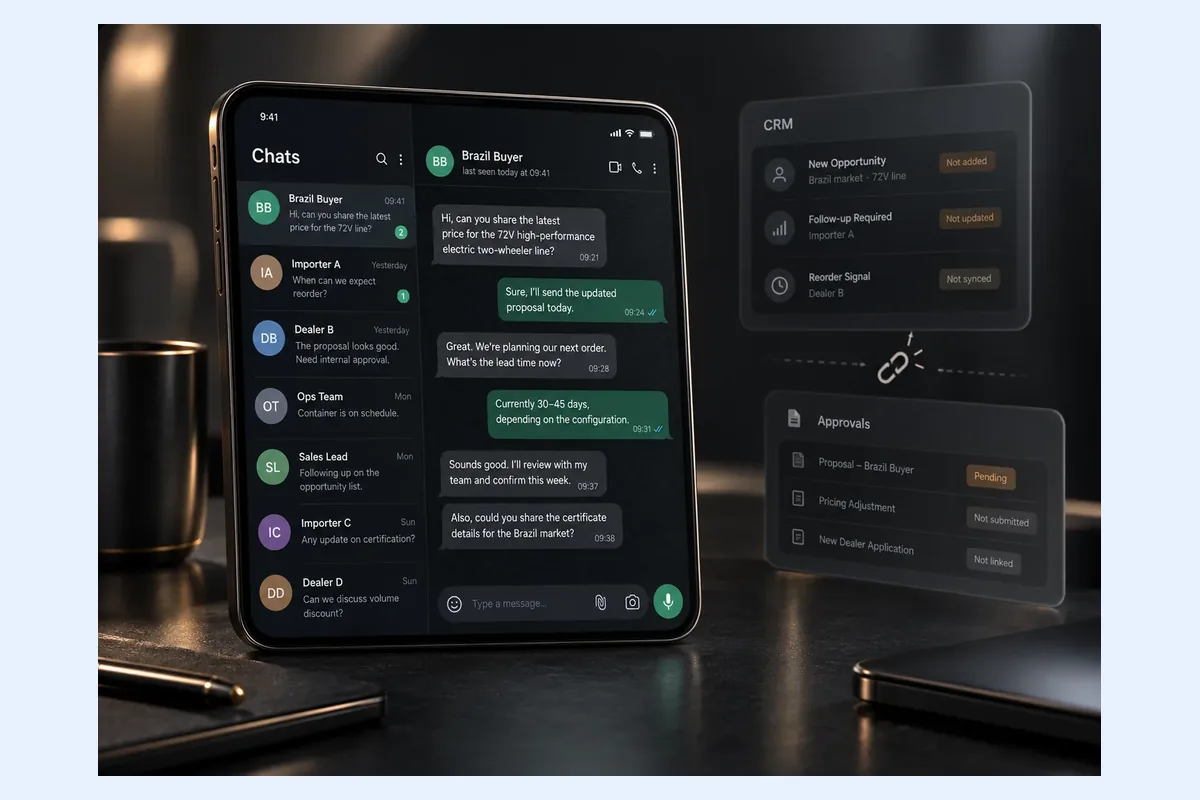
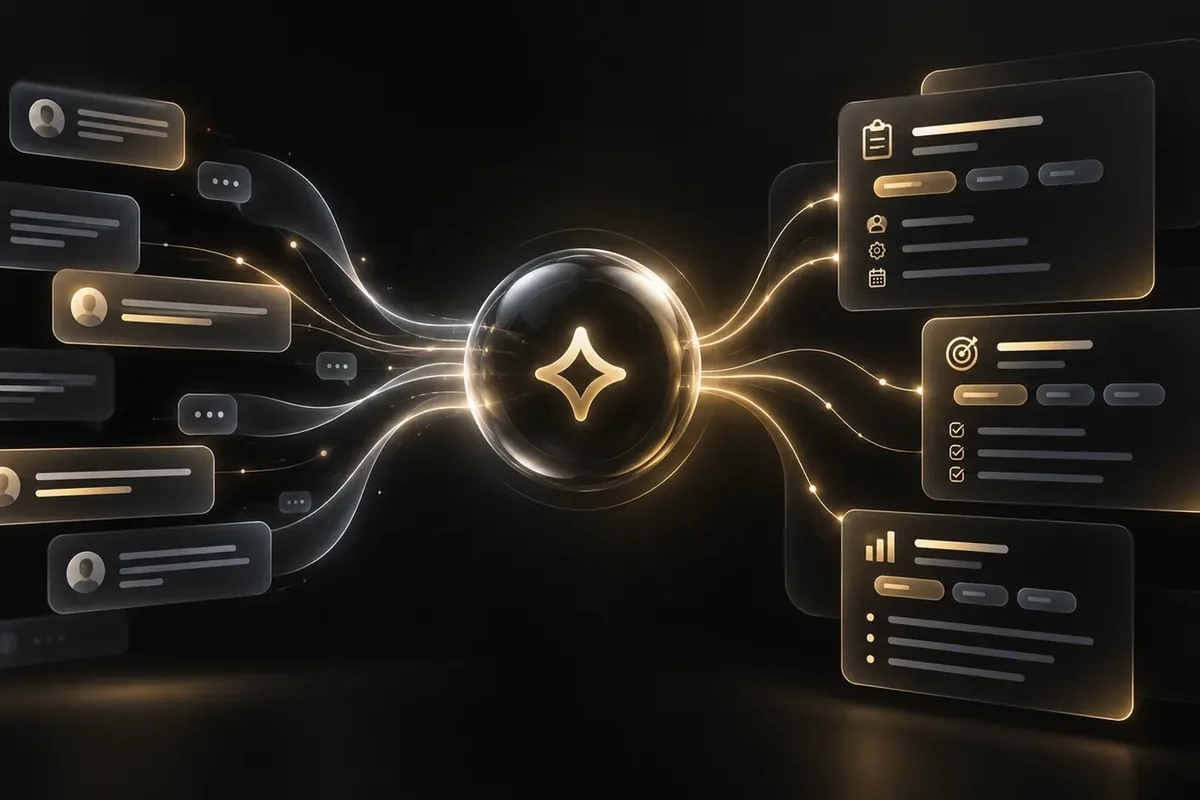
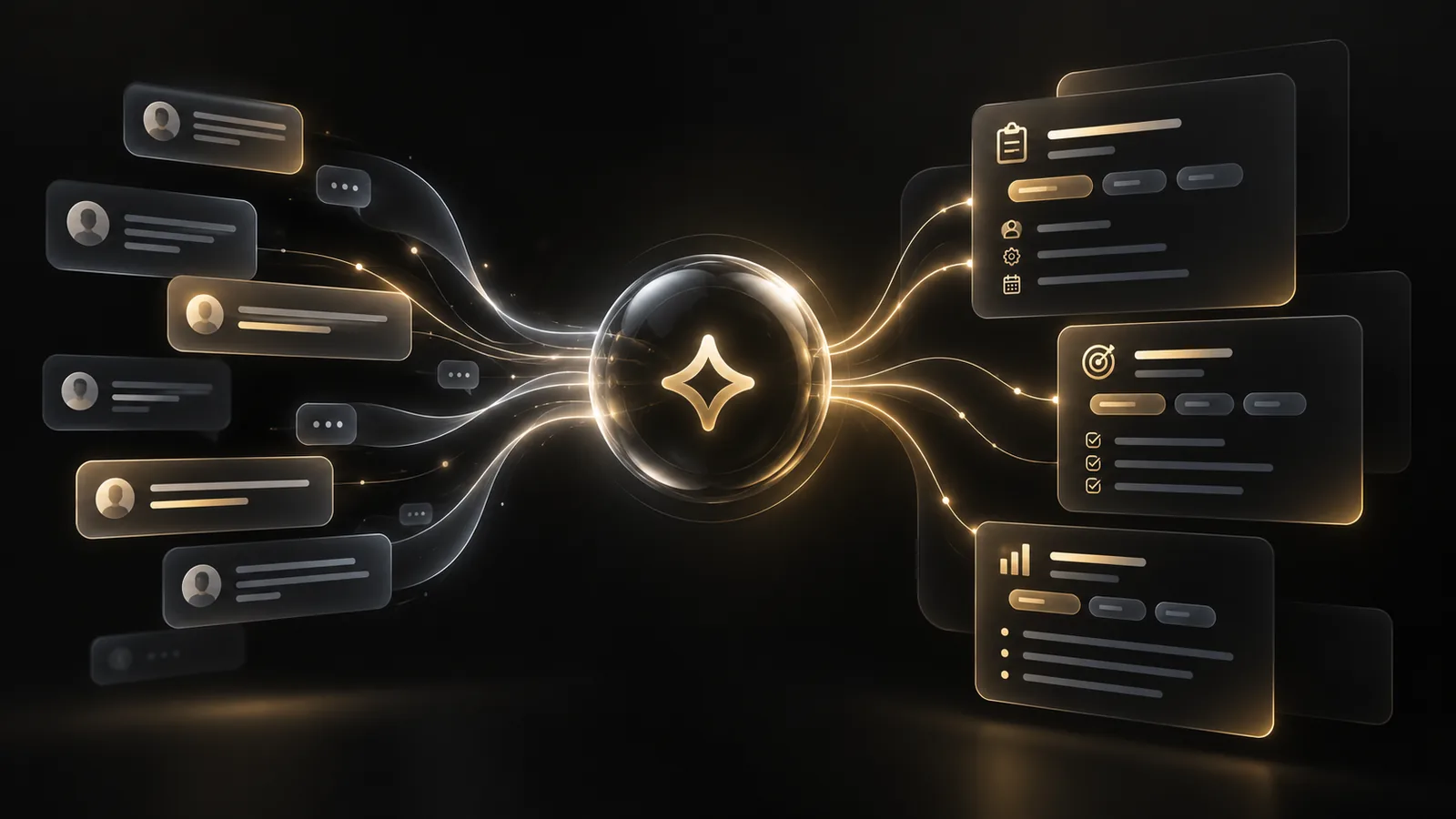
Sales Desk carries an inquiry through to an approved quote and PI: it reads the request, matches it to the customer and your products, drafts the quote from company-approved pricing and routes it to an authorized person. Sending it afterwards is a separate, controlled action.
Why does quoting still start in a spreadsheet?
When an inquiry arrives, a salesperson first works out who the customer is, which market they are in and what they want. Then come the product files for specifications, last time’s price sheet, a call to the boss about discount and margin, and a quotation built by hand.
Every step sits in a different window, few of the judgements are recorded, and when the customer changes a quantity, an outdated version can still go out.
What does Sales Desk do when an inquiry arrives?
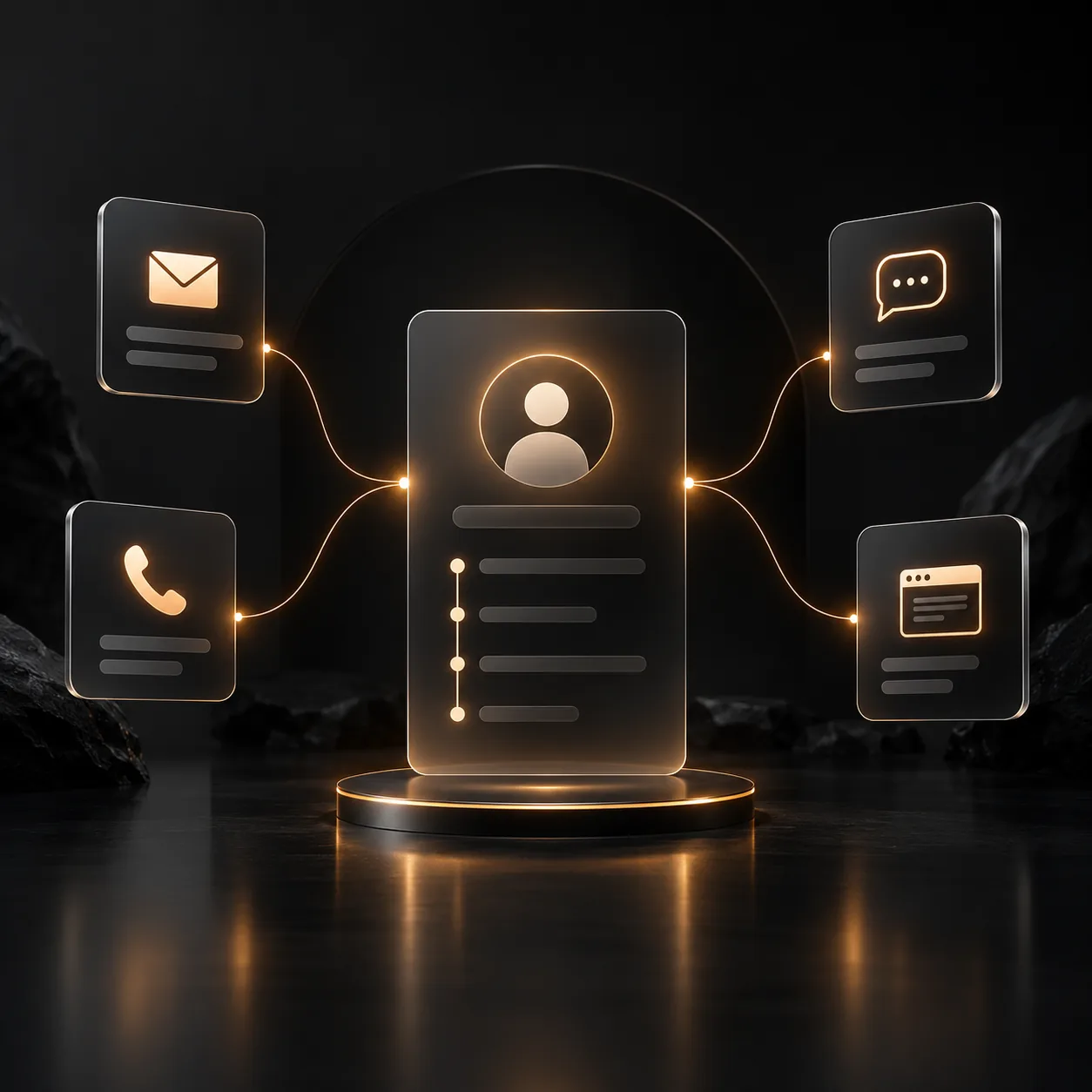
- One intake: enterprise email, website inquiries, WhatsApp and Alibaba.com messages are organized in one place, separating new inquiries from history, delivery notices, spam and unusual leads.
- The request, understood: products, specifications, quantities, markets, budgets and deadlines are extracted; catalogs, spreadsheets, images and drawings are organized; missing information is flagged.
- A complete customer view: company, contacts, source, owner, opportunity stage, conversation timeline, quotes and orders sit together, so whoever picks up the account has the full context.
- Grounded replies: specifications, pricing policy, MOQ, packaging, certifications, lead times and trade terms support product matching, translation and multilingual replies. When a fact is not on file, the draft says so.
Prospects approved in Growth OS continue here too, with their source, research and next actions attached, so nobody re-enters them.
Where does the quote draft come from?
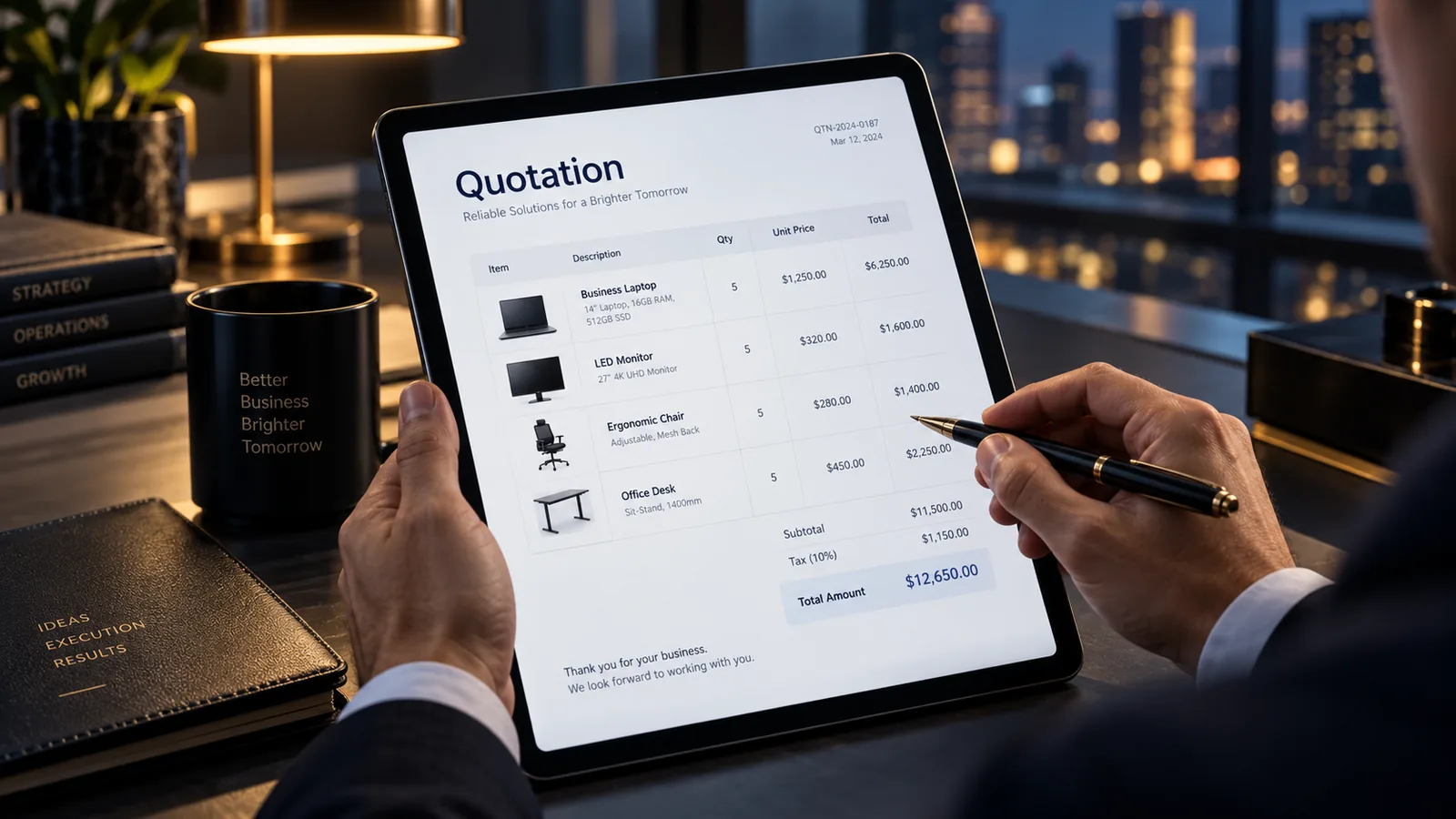
- Draft by policy: configuration, quantity, packaging, currency and trade terms are combined with price lists, quote history, discount permissions and margin guardrails. Prices come from company-approved data; AI does not invent them.
- Approve by authority: price, discount, margin and important commitments go to the person authorized to confirm them, together with the reasoning behind the numbers.
- Keep the approved version: the approved quote becomes a PI with its terms, amounts, payment milestones and an approved snapshot. When the customer changes quantity or configuration, the change is recorded, which reduces the risk of sending an obsolete version.
If the quote is approved, why isn’t it sent?
In STARGO WORK, approving a quote and sending it are separate controls. Approval means an authorized person has confirmed the price and terms. Sending is a second, outbound action that needs its own authorization. Whether the customer received it, and what happened next, is checked after that.
Approved is not sent, and sent is not received or done. The three states are recorded separately, so managers see real progress.
How do contracts, documents and orders follow?
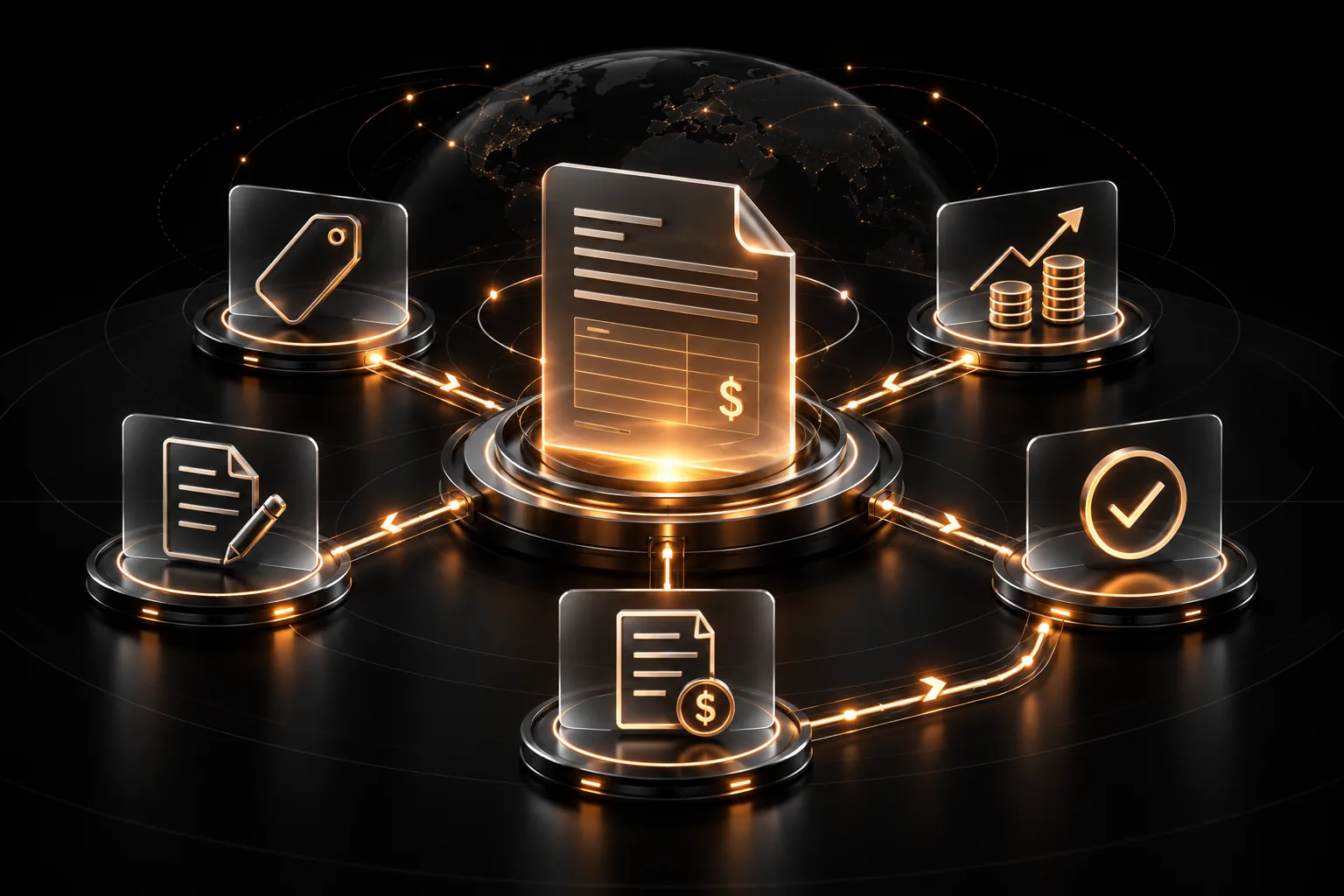
Contract templates, clause checks and versions are coordinated on the same chain; e-signatures and legal review connect through the company’s own processes. Commercial invoices, packing lists, certificates of origin and Form E materials, and bills of lading can be prepared, checked and filed, while official issuance stays with the authorized bodies. Confirmed orders are then handed to fulfillment, support and repeat-sales follow-up.
What is available today?
The Sales Desk workspace exists; live channel messaging and business handoffs are connected and validated one by one. Quotes and PI continue to improve, and live prices, contracts, signatures and documents depend on the enterprise systems that are connected. See Inquiries and customer conversations, CRM and customer context and Quotations, PI and commercial records in the capability catalogue.
Want to see a real inquiry become a PI? Request a demo.
Frequently asked questions
How do Growth OS and Sales Desk differ?
Growth OS focuses on finding accounts, qualifying opportunities and planning engagement. Sales Desk focuses on understanding customers, following up, quoting and handing over orders. Approved prospects carry their context and next actions into the sales process.
Where do the prices in a quote come from?
From company-approved price lists, quote history, discount permissions and margin guardrails. AI drafts within those rules and does not invent prices; when a fact is missing, it says so.
Once a quote is approved, is it sent automatically?
Approval and sending are separately controlled. Approval confirms the price and terms; sending is a further outbound action that needs its own authorization, and receipt is checked afterwards.
Are all channels connected right away?
The Sales Desk workspace exists. Live messaging and business handoffs for enterprise email, WhatsApp, Alibaba.com and website inquiries are connected and validated one by one.